

Starting your investing journey can feel overwhelming. Too many options, too much noise, and no clear path. This roadmap simplifies everything into clear stages, so you know exactly what to focus on at each step. No guessing, no rushing, just steady progress. 🎯 Stage 1: Build Your Foundation Before investing a single dollar, get your basics right. What to Focus On: Must-Do Actions: 👉 Goal: Stability before growth 📚 Stage 2: Learn the Basics Now you start building knowledge. Key Concepts: Beginner Tip: Don’t try to learn everything at once. Focus on understanding, not memorizing. 👉 Goal: Clarity over confusion 💼 Stage 3: Choose Your Path Decide how you want to approach the market. Option 1: Long-Term Investing Option 2: Active Trading 👉 You can combine both, but don’t mix strategies blindly. 🏦 Stage 4: Set Up Your System Now make things real. What You Need: Important: 👉 Goal: Build structure, not excitement 📊 Stage 5: Start Small & Gain Experience This is where most people rush. Don’t. Smart Approach: What to Track: 👉 Goal: Experience over profit 🧠 Stage 6: Develop Discipline & Psychology This is where real growth happens. Build These Habits: Reality: Your mindset will matter more than your strategy. 👉 Goal: Control yourself before the market 📈 Stage 7: Scale Slowly Only after consistency. When to Scale: How to Scale: 👉 Goal: Grow without breaking your system 🚨 Common Beginner Mistakes 🔒 Simple Rules for the Journey 💡 The Mindset That Wins ❌ “I want fast money”✅ “I want long-term growth” ❌ “I’ll go all in”✅ “I’ll manage my risk” ❌ “I need to be right”✅ “I need to be consistent” ❓ FAQs — Beginner Investor Roadmap 🎯 Start smart. Grow steady. Stay consistent. Join the community to follow a proven path, learn from real market experience, and avoid the mistakes most beginners make. [Join the Community][Book a Live Session]
Category Archives: Guides
Mar
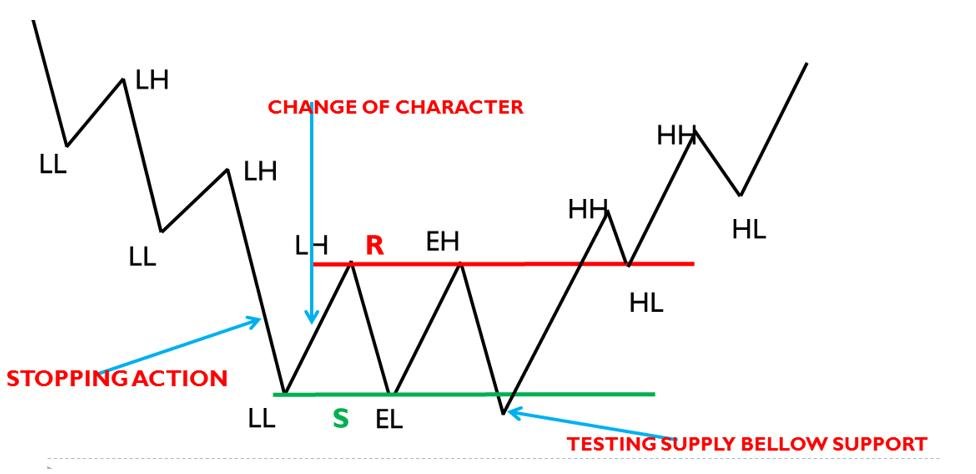
Before indicators, before strategies, there’s structure. Price doesn’t move randomly. It follows patterns of highs and lows that tell a story. If you can read that story, you stop guessing and start understanding why the market is moving. This is the foundation every serious trader builds on. 🎯 What is Market Structure? Market structure is the way price forms highs and lows over time.It shows whether the market is trending up, trending down, or moving sideways. 👉 Think of it as the skeleton of the market. Everything else sits on top of it. 📊 The Three Types of Market Structure 1. Uptrend (Bullish Structure) 📌 Meaning: Buyers are in control What to look for: 2. Downtrend (Bearish Structure) 📌 Meaning: Sellers are in control What to look for: 3. Ranging (Sideways Market) 📌 Meaning: No clear control What to look for: 🧩 Key Building Blocks 🔹 Swing High A point where price stops going up and turns down 🔹 Swing Low A point where price stops going down and turns up 👉 These are the reference points for understanding structure. ⚙️ Break of Structure (BOS) This is one of the most important concepts. A Break of Structure (BOS) happens when price breaks a previous high or low. 📈 Bullish BOS Price breaks a previous high → signals strength 📉 Bearish BOS Price breaks a previous low → signals weakness 👉 Why it matters:It confirms continuation or signals potential change. 🔄 Change of Character (ChoCH) This is your early warning sign. A Change of Character (ChoCH) happens when the market shifts behavior. Example: 📌 BOS confirms📌 ChoCH warns early 🧠 Understanding Trend Flow Markets move in waves: 👉 Smart traders don’t chase the impulseThey wait for the pullback inside structure 📍 Support and Resistance (Inside Structure) Structure creates natural levels: 📌 These are not random linesThey come from previous highs and lows 🚨 Common Beginner Mistakes 🛠️ How to Read Market Structure (Step-by-Step) 🔒 Simple Rules to Follow 💡 Beginner Mindset Shift ❌ “I think price will go up”✅ “Structure shows buyers are in control” ❌ “I’ll enter now before I miss it”✅ “I’ll wait for confirmation” ❌ “More trades = more chances”✅ “Better structure = better trades” ⭐ Why Market Structure Matters ❓ FAQs — Market Structure 🎯 CTA Section Understand the structure, understand the market. Join the community to watch real-time breakdowns, learn how structure forms live, and see how experienced traders make decisions based on it. [Join the Community][Book a Live Session]
Mar
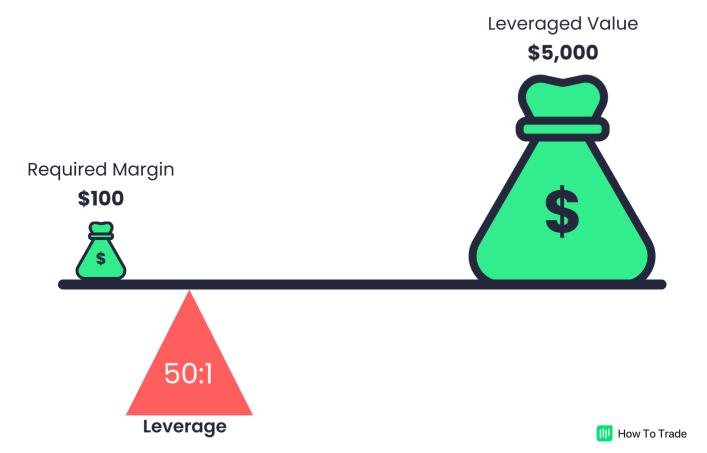
Trading isn’t just about entry and exit. How you manage leverage and understand swap fees can quietly decide whether you grow your account or slowly drain it. Many beginners ignore these two, then wonder why their balance behaves unexpectedly. Once you get clear on them, your risk control improves instantly. 📊 What is Leverage? Leverage lets you control a larger position with a smaller amount of money. Simple example:If your broker offers 1:100 leverage, you can control $10,000 with just $100. 👉 Sounds powerful. It is. But it cuts both ways. 🔹 Why Traders Use Leverage ⚠️ The Hidden Risk Leverage also amplifies losses.A small market move against you can wipe out your account quickly. Quick reality check: 👉 Key idea: Leverage doesn’t change the market, it changes your exposure. 🧠 Smart Leverage Usage Beginner mindset:Low leverage = survivalHigh leverage = gambling 💸 What are Swaps (Overnight Fees)? A swap is the fee (or sometimes profit) you get when you keep a trade open overnight. It comes from interest rate differences between currencies. 🔹 How It Works 📌 Example ⚠️ Why Swaps Matter Most beginners ignore swaps, but they can add up. 👉 Especially important for swing traders and long-term positions 🔍 Swap Types to Know 🧩 Leverage vs Swaps (Simple Comparison) Factor Leverage Swaps Purpose Increase position size Cost of holding trades Impact Affects profit & loss instantly Affects trades over time Risk Level High if misused Low but accumulative Ignored by beginners? Sometimes Very often 🚨 Common Beginner Mistakes 🛠️ Practical Tips You Can Use Today 🎯 Key Takeaway Leverage gives you power. Swaps quietly take from you over time.If you control both, you stay in the game longer and trade smarter.
Mar
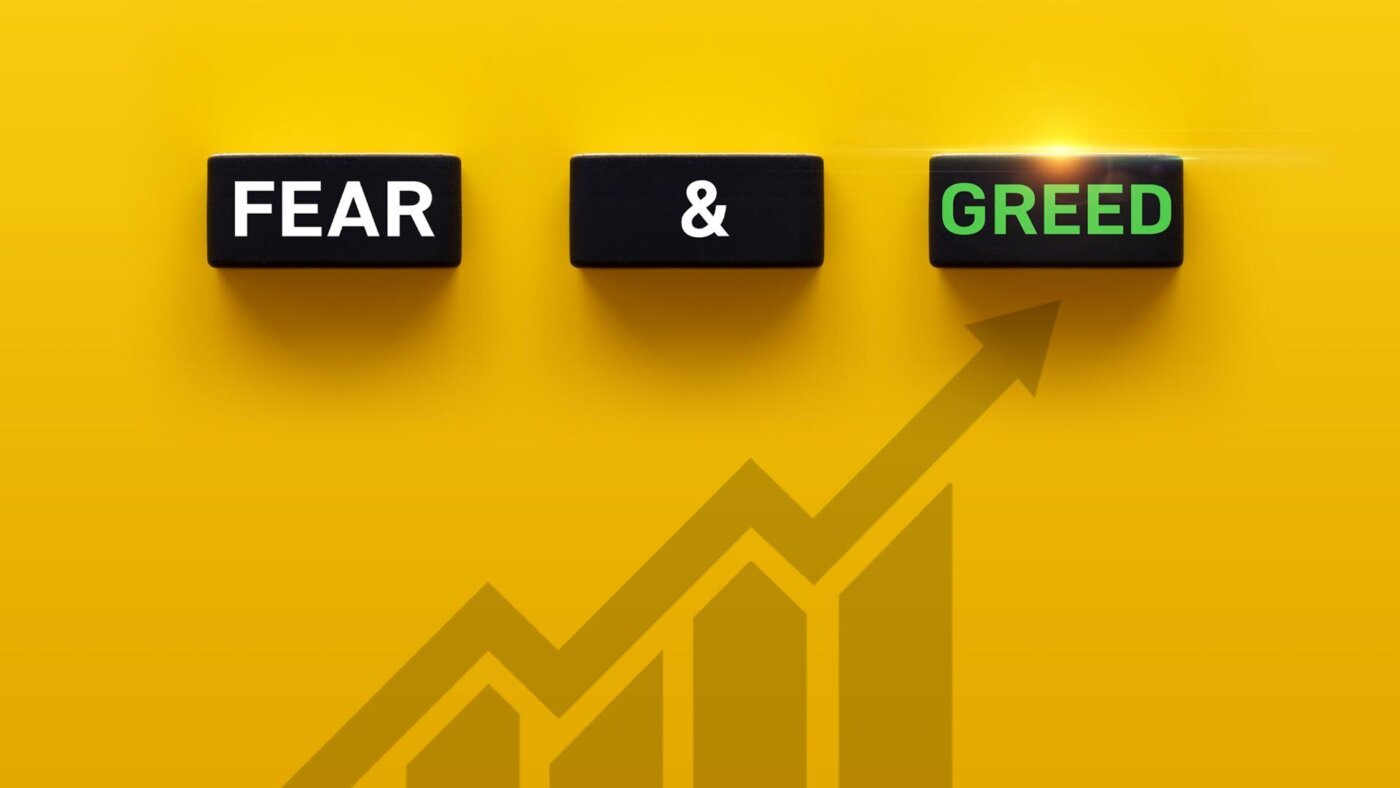
Trading isn’t just charts, indicators, or strategies. It’s a mental game where your decisions matter more than your setup. Many traders start with the right tools but still struggle because of fear, hesitation, or impulsive actions at the wrong moment. This is where trading psychology comes in. It helps you stay calm under pressure, stick to your plan, and make clear decisions even when the market is unpredictable. Once you learn to manage your mindset, everything else starts to fall into place. 🔰 What This Is This is a practical learning hub + guided framework, built to help you think clearly under pressure. No theory overload, no fluff. Just what actually helps you control emotions, avoid costly mistakes, and trade with discipline from day one. 🎯 The Core Problem (Why Most Traders Fail) Most traders don’t fail because of bad strategies. They fail because of bad decisions. 👉 Truth: The market isn’t your biggest opponent. Your reactions are. 🧩 The 5 Pillars of Trading Psychology 1. Emotional Control Stay steady, win or lose.Rule: If it’s emotional, it’s wrong. 2. Discipline Your plan matters more than your feelings.Example: If you risk 1%, it stays 1%. No exceptions. 3. Patience Most of the time, doing nothing is the right move.Simple rule: No setup, no trade. 4. Risk Acceptance Losses are part of the game. Accept them before entering.Shift: You’re managing risk, not chasing wins. 5. Consistency Small, smart decisions repeated daily beat random big wins. ⚙️ Your Pre-Trade Mental Checklist Before entering any trade, pause and run this: If one answer feels off, skip the trade. 🚨 Common Mistakes (And How to Fix Them) Mistake What Happens Fix Revenge Trading Jumping back in after loss Step away for 15–30 minutes Overtrading Too many entries Set a daily trade limit Moving Stop Loss Avoiding loss Accept risk before entry Chasing Trades Late entries Wait for clean setups Overconfidence Risking more after wins Keep risk fixed 🛠️ A Simple Daily Routine That Works Before Trading During Trading After Trading 🔒 Rules You Should Never Break Break these, and the market will teach you the hard way. 💡 The Mindset Shift That Changes Everything ❌ “I need to win this trade”✅ “I need to follow my process” ❌ “I lost money”✅ “Did I follow my rules?” ❌ “More trades = more profit”✅ “Better trades = better results” ⭐ What You’ll Gain From Mastering This ❓ Trading Psychology – FAQs 🎯 Ready to Take Control? Control your mind, control your trades. Join the community to see how disciplined traders approach the market in real time, manage risk, and stay consistent even under pressure. [Join the Community][Book a Live Session]